Baby Bottle Decay: Preventing Early Cavities for Your Little One's Healthy Smile
As a parent, there’s nothing more precious than your baby’s smile. But what happens when early cavities threaten to steal that joy? Baby bottle decay, a common yet preventable dental issue, can cause unnecessary discomfort in young children and might affect their oral health long term.
At Arlington Pediatric Dentistry, we specialize in helping parents like you protect and preserve those precious first teeth, ensuring your child grows up with healthy habits and a big, confident smile. Let’s get into the details and discuss everything you need to know about this type of tooth decay, and how you can prevent it.
What Is Baby Bottle Decay?
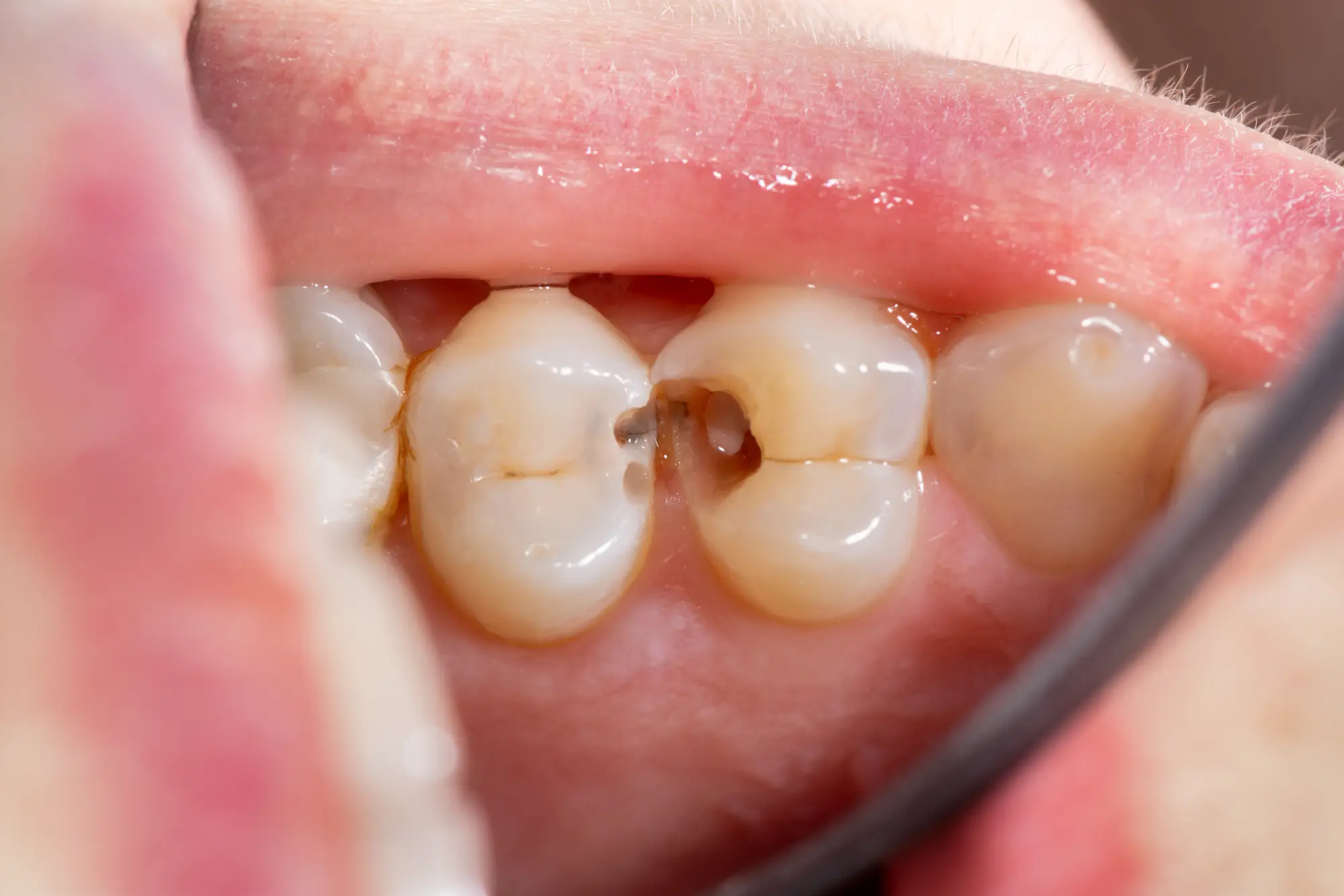
Baby bottle decay, also known as early childhood caries, occurs when a baby's teeth are frequently exposed to sugary drinks like milk, formula, juice, or even sweetened water. When these sugary liquids stay in contact with your child’s teeth for long periods of time, harmful bacteria can feed on them, producing acids that erode tooth enamel and cause cavities.
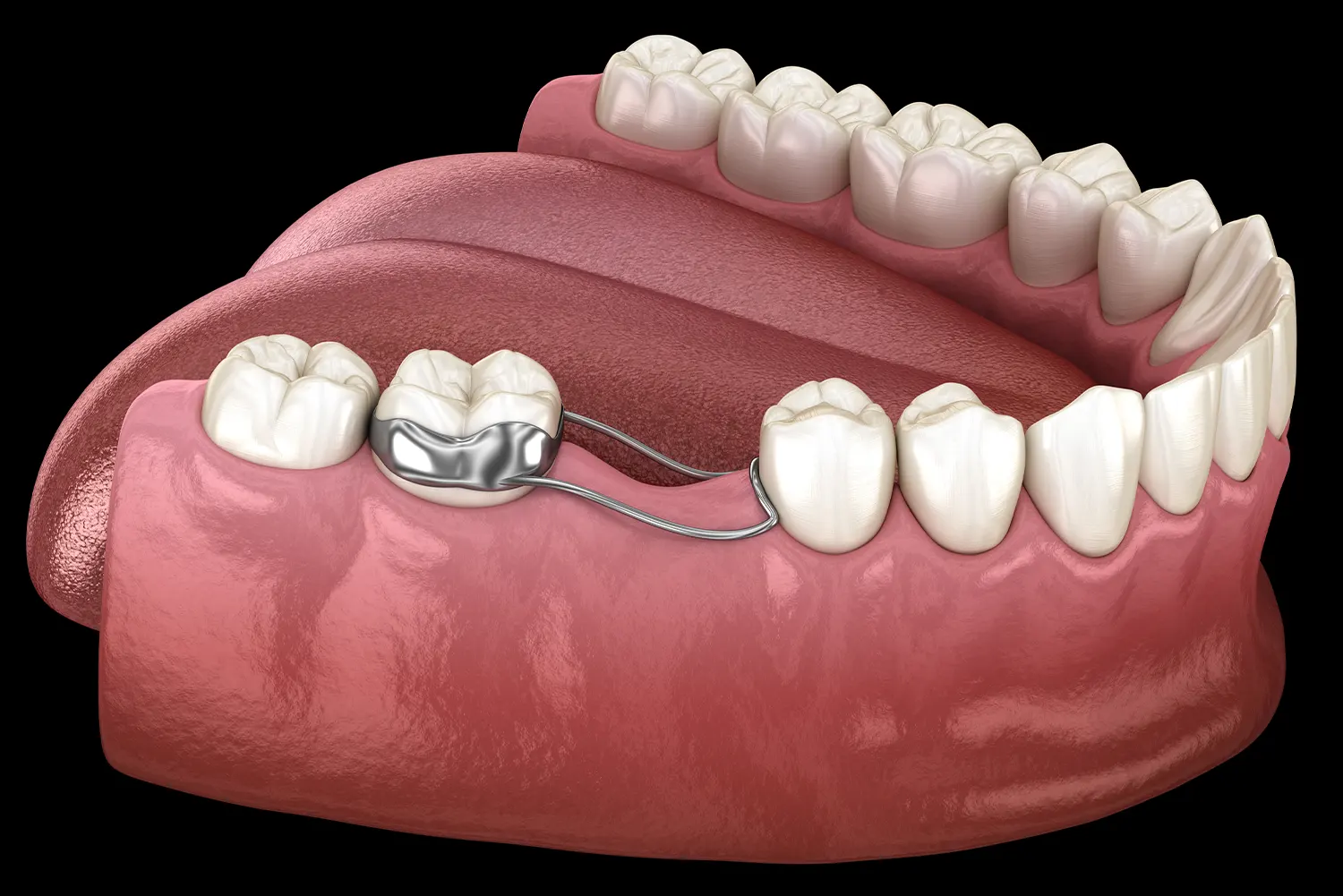
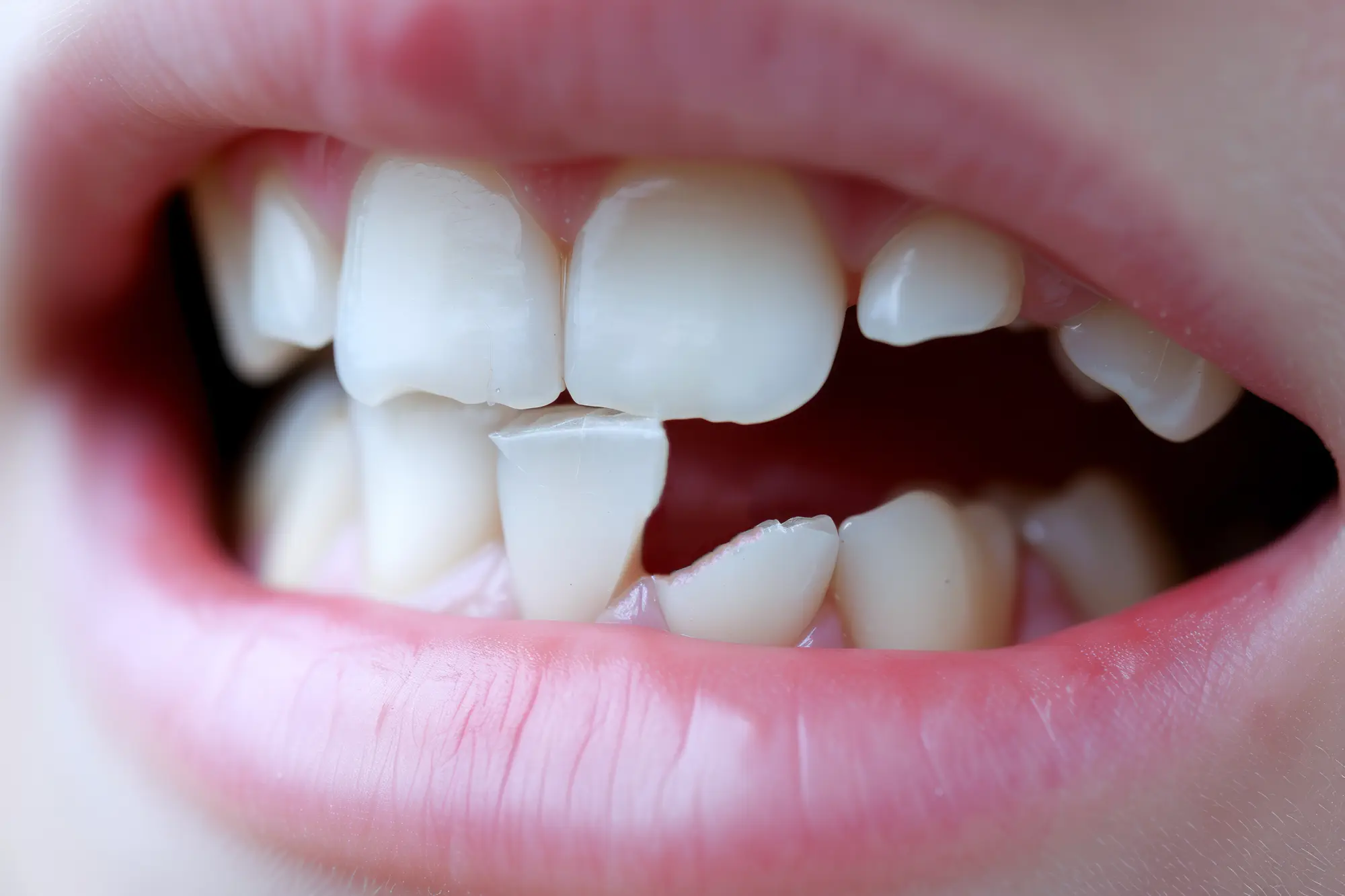
This condition is most common in children under the age of five, often affecting the upper front teeth but can extend to other teeth if left untreated. Because baby teeth serve as placeholders for adult teeth, untreated decay can lead to complications like orthodontic development issues, gum problems, early tooth loss, and difficulties chewing later in childhood.
Why Does Baby Bottle Decay Happen?
Baby bottle decay sneaks up on families for a variety of reasons. Understanding the causes empowers you to take preventative action:
- Prolonged bedtime bottle use: As the name implies, this is the most common cause of baby bottle decay. If you put your child to bed with a bottle of milk or juice, the sugary liquid may pool around and sit on their teeth for hours, leading to extreme decay.
- Frequent snacking or sipping: Constant exposure to sugary drinks or snacks can increase cavity risk over time.
- Poor oral hygiene: Limited or inconsistent cleaning of baby teeth fosters bacteria growth.
These factors can seem overwhelming; but don’t worry, that’s why we’re here to help with practical, easy-to-follow solutions!
Proactive Tips to Prevent Baby Bottle Decay
At Arlington Pediatric Dentistry, we believe prevention is the foundation of healthy smiles. You can take these steps today to safeguard your child's teeth:
- Never give bottles at bedtime: Never put your child to bed with a bottle unless it’s full of water. To ensure proper orthodontic development, you should also transition your child from bottles to sippy cups by 12 months at the latest.
- Practice good oral hygiene early: Start cleaning your baby’s gums with a soft, damp cloth even before teeth erupt. Once teeth come in, use a baby toothbrush with a rice-sized amount of fluoride toothpaste.
- Watch their diet: Limit sugary drinks and snacks, and ensure your child gets enough calcium and vitamin D to support strong teeth.
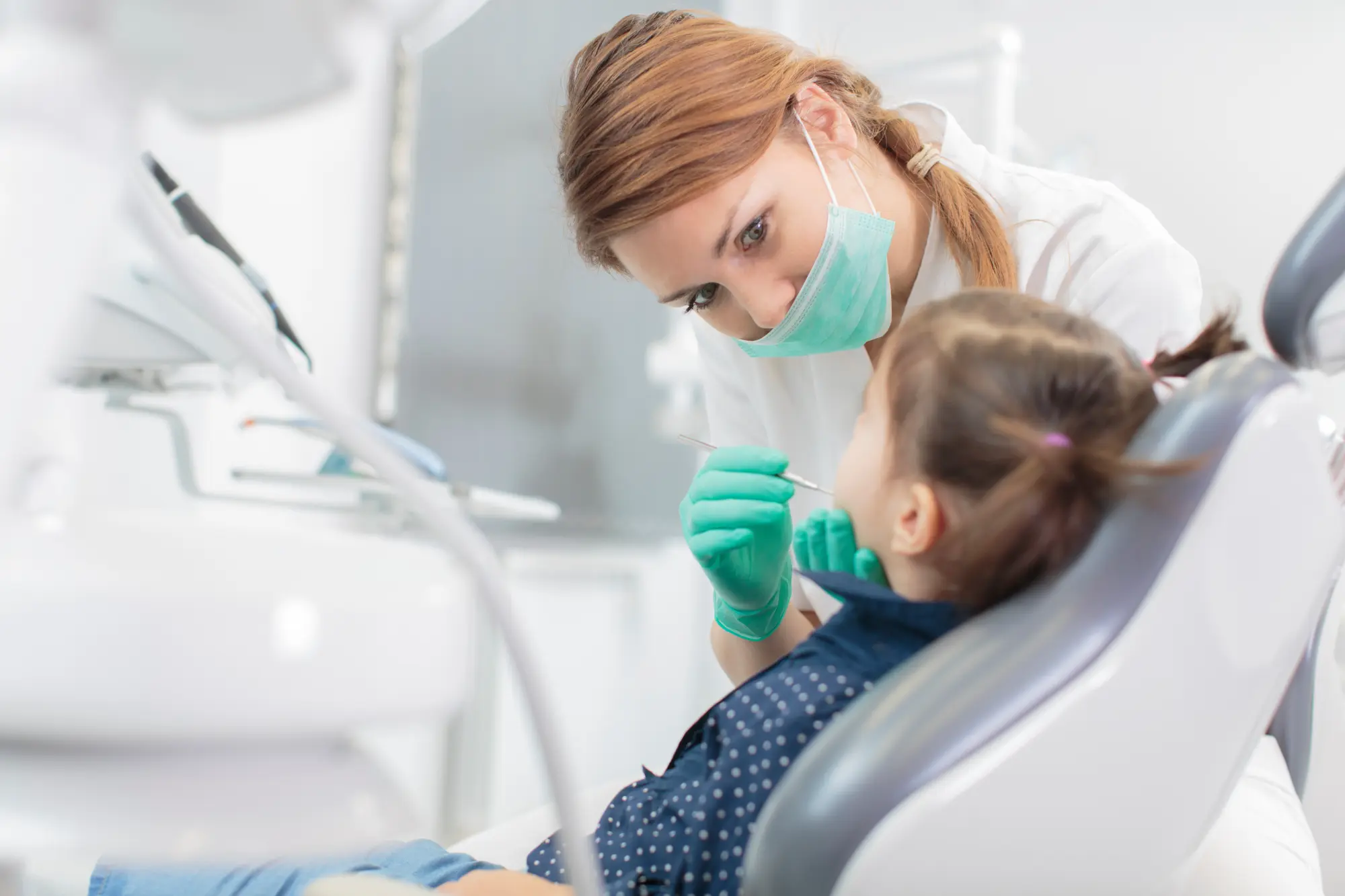
- Visit a pediatric dentist: Schedule your child’s first dental visit by age 1 to identify any risks early and establish a routine that ensures their smile stays healthy.
Minimally Invasive Solutions We Offer
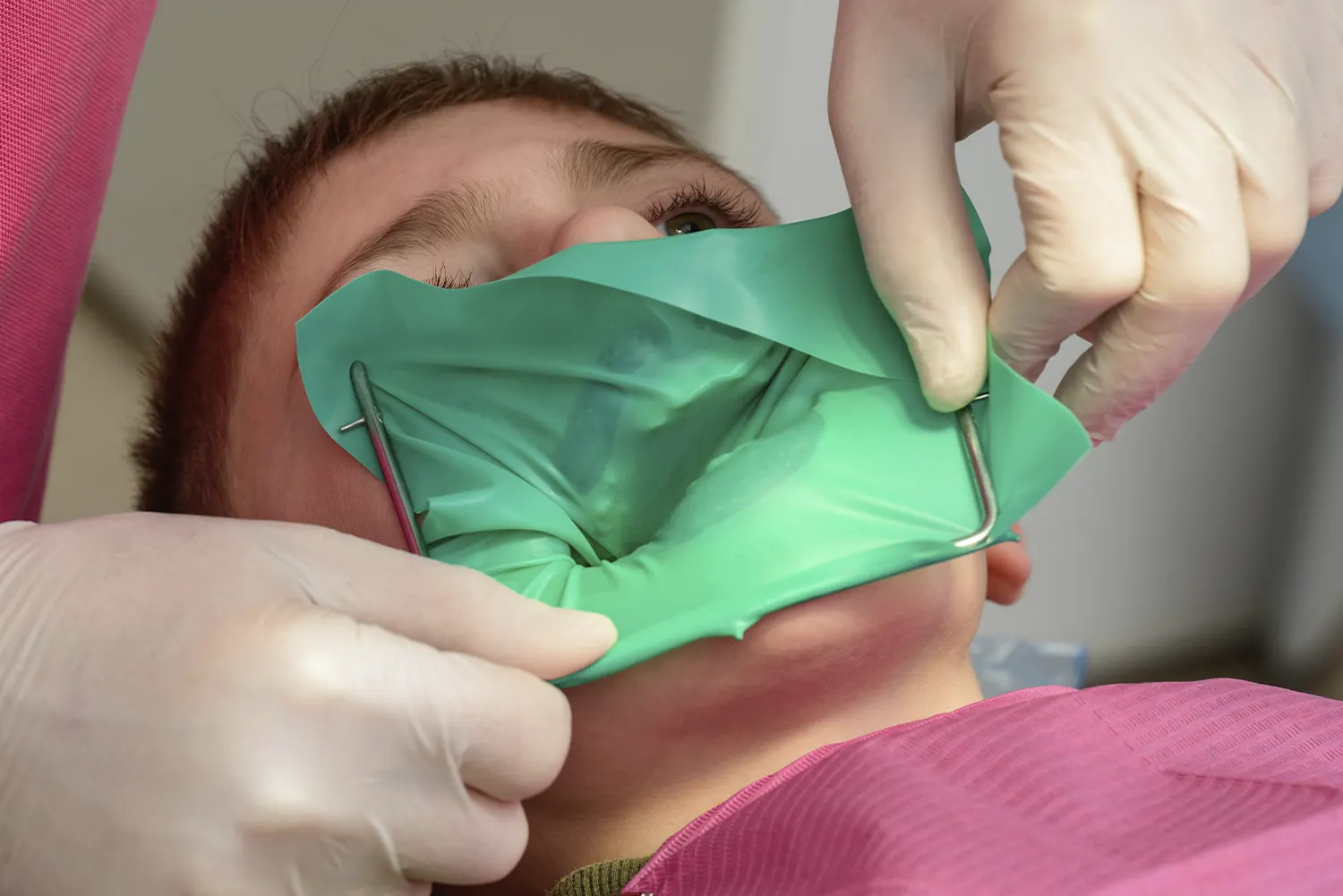
If your child is already showing signs of baby bottle decay, don’t worry. Our team of board-certified pediatric dentists specializes in gentle, conservative treatments tailored to children’s needs. For cases of early decay, we offer options like:
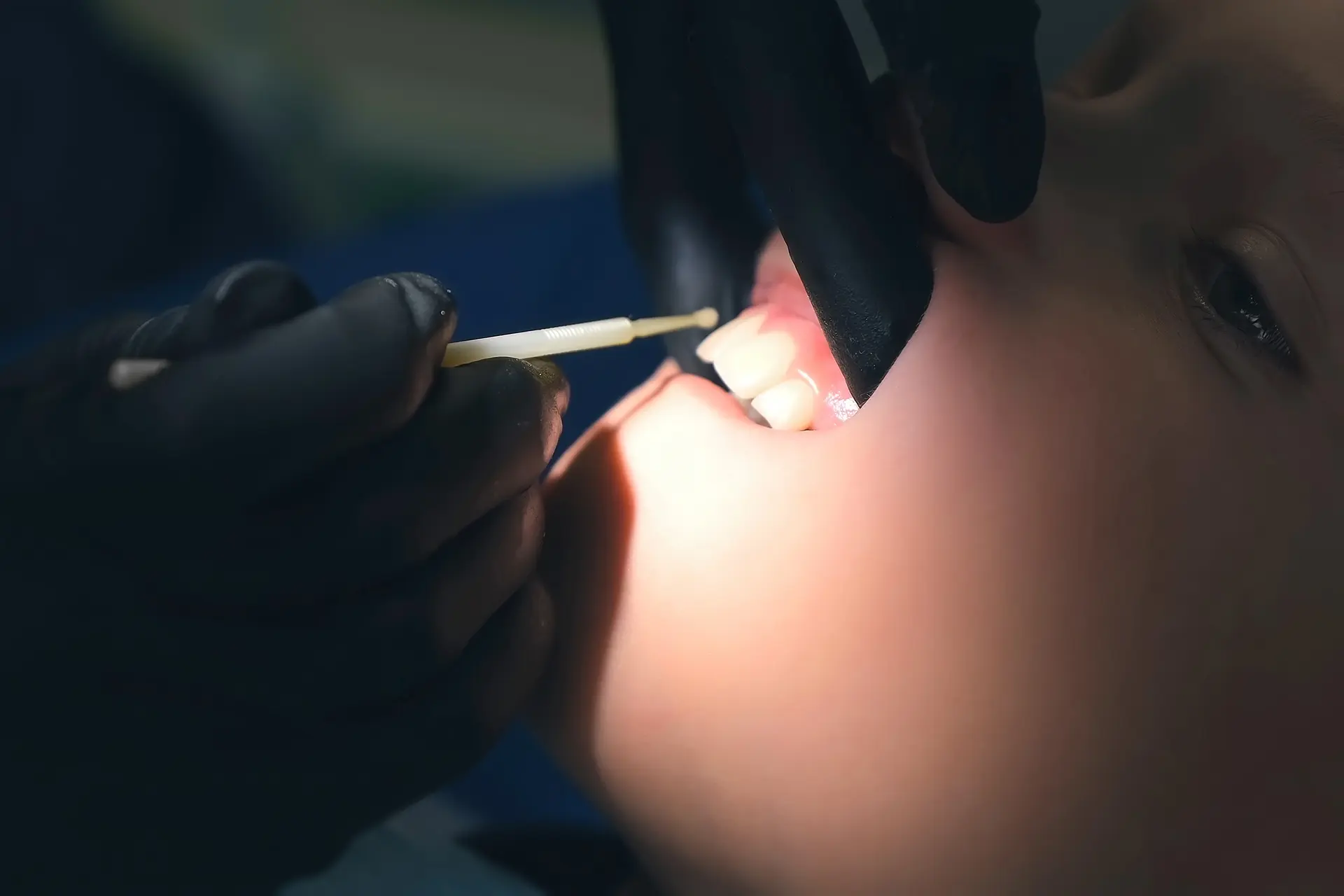
- Silver Diamine Fluoride (SDF): A safe, non-invasive treatment that halts cavity progression without drills or discomfort, ideal for protecting baby teeth.
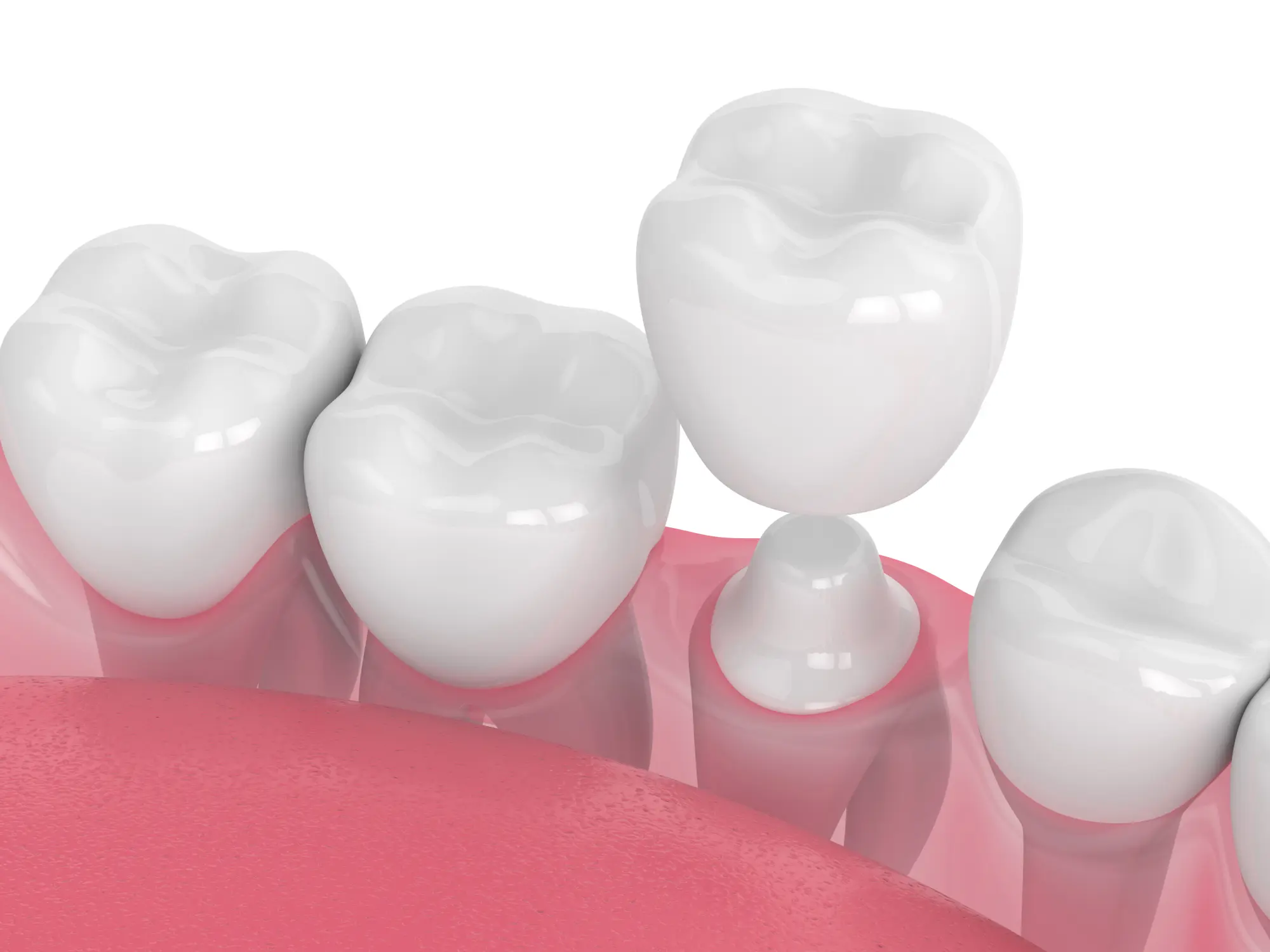
- Modern restorations: When fillings are necessary, we prioritize preserving tooth enamel and minimizing intervention with advanced materials and technology.
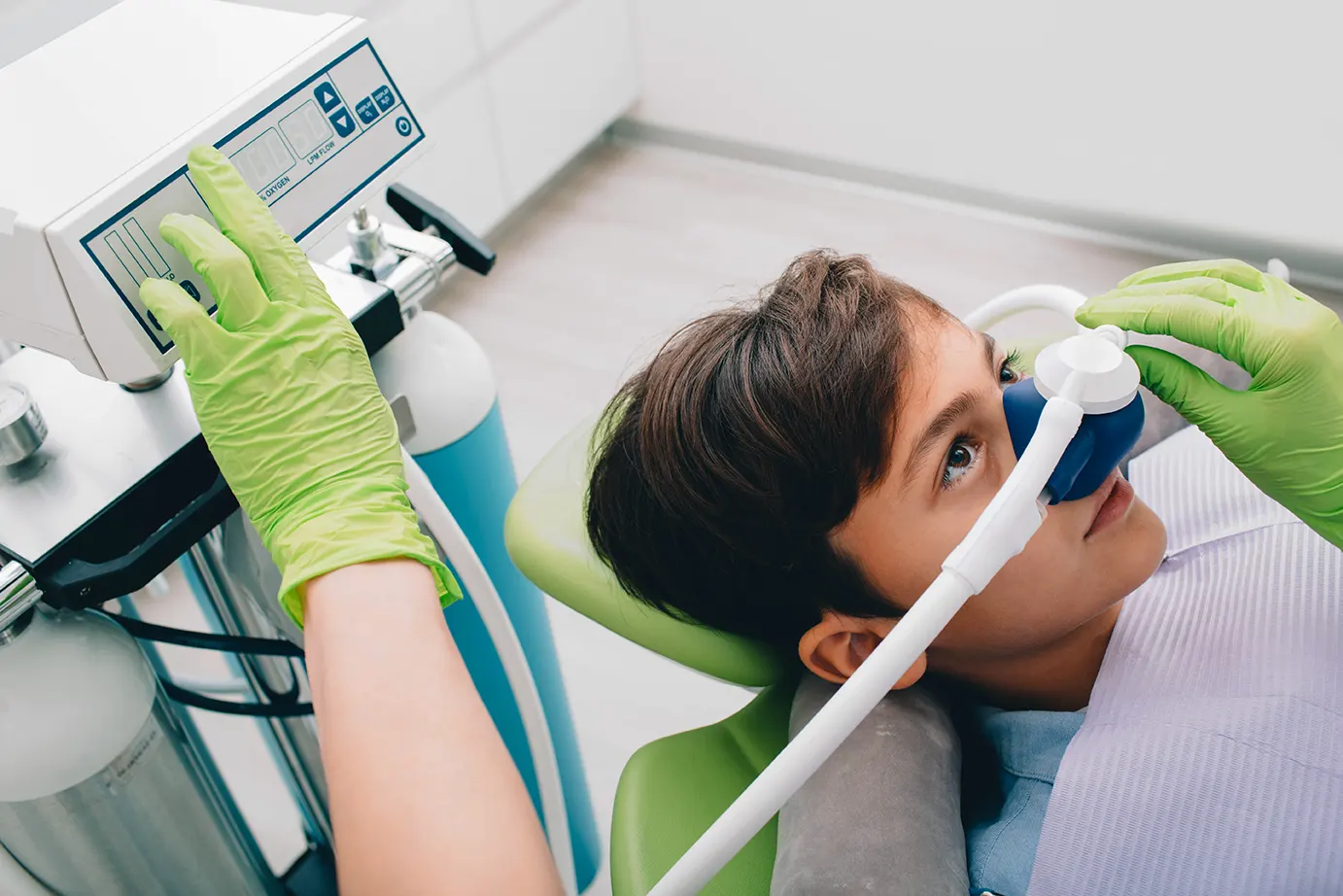
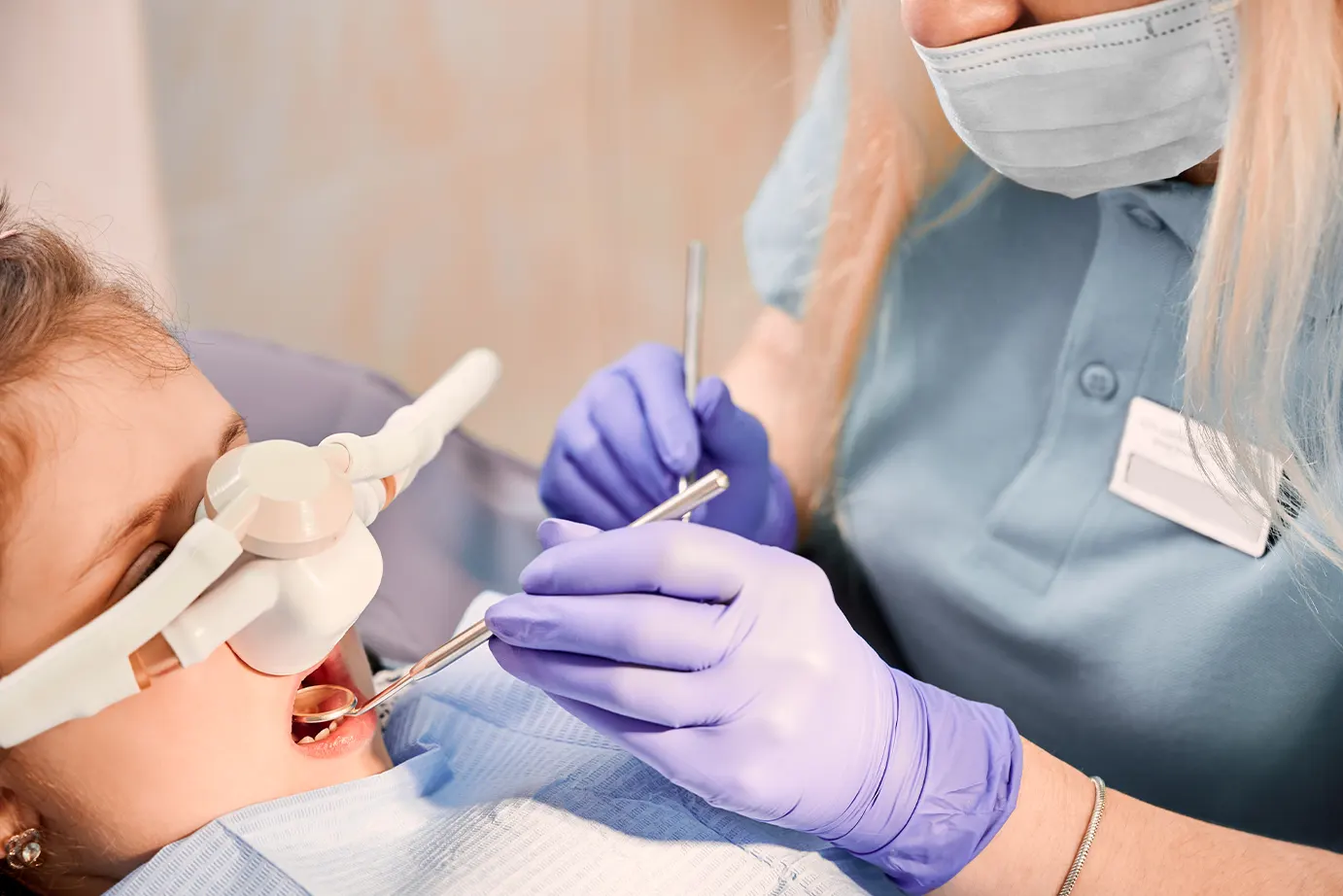
Our mission is to ensure every child feels safe and cared for while we work to protect their oral health. With our comfort-focused amenities, like noise-canceling headphones, Netflix, and a kid-friendly atmosphere, your little one will leave smiling; every time.
FAQs About Baby Bottle Decay
How Do I Know If My Baby Has Tooth Decay?
Early signs of baby bottle decay include white spots or discoloration appearing on teeth. As the decay progresses, you might notice brown or black spots and even sensitivity or pain.. If you suspect decay, schedule an appointment with Dr. Arpi Khare right away. Addressing the issue early can prevent more invasive treatments later.
Isn’t It Okay Since They’re Just Baby Teeth?
No. While baby teeth do fall out eventually, they're meant to last until your child’s adult teeth erupt. In some cases, like the back molars, this means they must last 9-10 years. During this time, baby teeth are vital for speech development, chewing, and guiding permanent teeth into place. Protecting them from decay ensures a healthy foundation for lifelong oral health.
When Should I Bring My Child to the Dentist for the First Time?
The American Academy of Pediatric Dentistry recommends children see a dentist by their first birthday or within six months of their first tooth erupting. Early visits not only allow for monitoring but also help build comfort with the dental experience.
Schedule Your Child’s First Visit Today
At Arlington Pediatric Dentistry, we combine specialized care, advanced technology, and a warm, kid-centered environment to make every visit stress-free. From preventing baby bottle decay to creating positive dental experiences, we’re here to support your family every step of the way.
Take the first step toward protecting your child’s smile by calling us at (703) 671-5437 or booking online. Located in Arlington, VA, our team looks forward to welcoming you and your little one!